
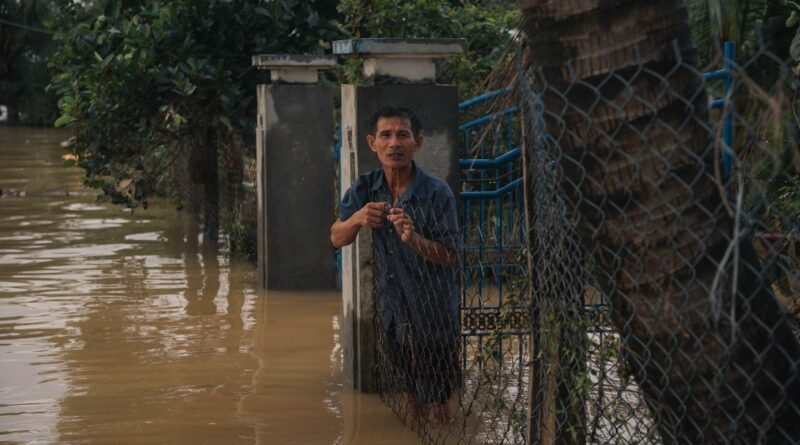
Thailand Flood Crisis 2026: Why the Floods Became So Severe and What Happens Next
By Maria | World News Correspondent | New York Finance Think
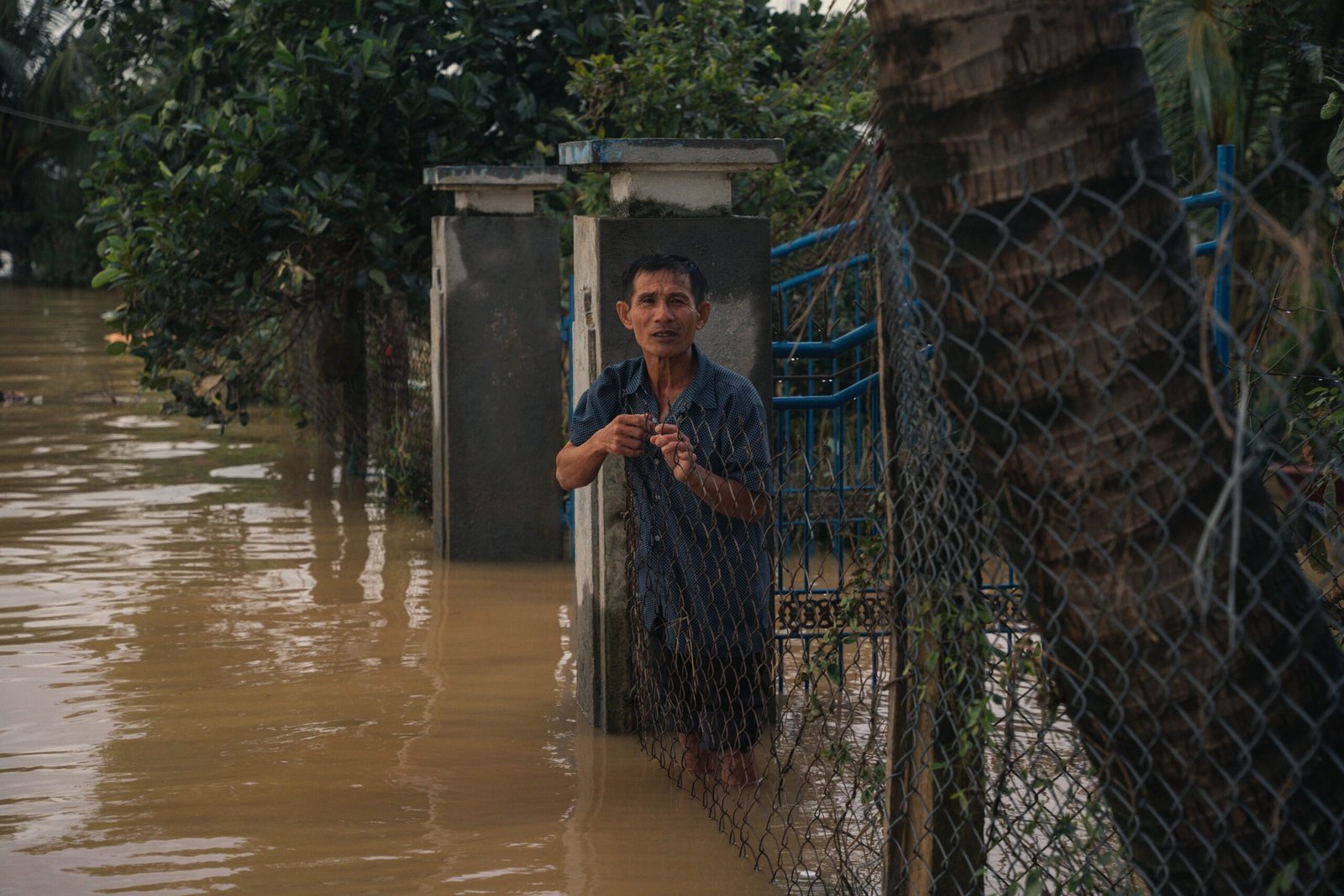
Thailand’s latest flood crisis has developed into something much larger than a conventional rainy-season disaster.
The country’s Interior Ministry says the death toll from flooding that began on September 16 has reached 31, while more than 3.5 million people have been affected nationwide, according to Associated Press reporting. Bangkok has been among the most visible areas of the crisis, with low-lying neighborhoods facing prolonged waterlogging even as conditions have improved in some parts of the capital.
The immediate trigger is heavy and repeated rainfall. But rainfall alone does not explain why the impact has been so widespread.
The deeper story is about what happens when intense rain meets low-lying urban areas, saturated ground, waterways carrying large volumes of water, drainage systems under pressure and communities that have little time to recover before another round of rain arrives.
And that is why Thailand’s flood story remains important even after some of the water begins to recede.
The central question is no longer simply how much rain has fallen.
It is whether Thailand can keep another round of rainfall from turning an already serious disaster into a second wave of flooding, displacement and economic disruption.
Thailand’s Flood Crisis in Perspective
Flooding began affecting Thailand in mid-September, and the crisis expanded across multiple provinces.
By October 5, the reported death toll had reached 31. AP reported that the deaths occurred across eight provinces, including four in Bangkok. More than 3.5 million people have been affected.
Those numbers provide the basic scale of the emergency, but they do not fully describe the disruption.
Flooding can affect people who are not directly standing in floodwater.
A road closure can prevent workers from reaching factories. A flooded neighborhood can interrupt electricity and water supplies. Transport disruptions can delay food deliveries. Airports can experience baggage and flight problems. Businesses can lose inventory even when their buildings remain structurally intact.
In other words, the economic and social footprint of flooding can be significantly larger than the area that appears underwater in photographs.
That has already become visible in Thailand.
Earlier in the crisis, flooding contributed to the temporary shutdown of four Toyota plants and disrupted cargo operations involving Thai Airways. Reuters also reported that Bangkok’s airport experienced major disruption during the earlier phase of the flooding.
That turns Thailand’s flood crisis into a story not only about weather, but also about supply chains, manufacturing, transportation and economic resilience.
What Actually Caused the Flooding?
The simplest answer is heavy rain.
The more accurate answer is prolonged and accumulated rainfall interacting with geography and infrastructure.
Thailand’s Meteorological Department has warned of thunderstorms, gusty winds and heavy to very heavy rainfall during October 5–7. The agency has also warned that accumulated rainfall could produce flash floods and sudden runoff, particularly around foothills, waterways and low-lying areas.
The weather pattern involves several elements.
A high-pressure system or cooler air mass extending from China is affecting parts of northern and northeastern Thailand, while moisture is being transported into Thailand from surrounding seas. At the same time, the southwest monsoon remains active over the Andaman Sea and parts of Thailand.
The result is an unstable atmosphere capable of producing thunderstorms and periods of intense rainfall.
But there is an important distinction.
Heavy rain creates the water. Geography and infrastructure determine how quickly that water becomes a disaster.
Why Repeated Rain Is More Dangerous Than One Storm
Imagine a city receives a major storm.
If the ground is relatively dry, rivers have spare capacity and drainage systems are functioning normally, much of the water can be absorbed or moved away.
Now imagine another major storm arrives a few days later.
The ground is already wet.
Rivers and canals are already carrying more water.
Reservoirs and drainage infrastructure may have less available capacity.
Low-lying neighborhoods may still be recovering from the first event.
The second storm therefore does not begin from zero.
It begins from an already stressed system.
That is one of the most important ways to understand Thailand’s current situation.
The crisis is cumulative.
Every additional period of heavy rainfall can increase pressure on the same physical systems.
Bangkok: Why the Capital Is So Vulnerable
Bangkok is central to the analysis because the capital combines several flood-risk factors.
The city is located in a low-lying delta environment. Much of the metropolitan area is close to sea level, and its urban landscape has been extensively developed.
That means enormous amounts of rainwater have to be moved through drainage channels, canals, pumping systems and other infrastructure.
When rainfall intensity becomes greater than the system’s ability to move water, flooding can occur even when there is no single catastrophic infrastructure failure.
Reuters previously described Bangkok as particularly vulnerable because of its low elevation and soft delta environment. During the current crisis, thousands of residents were evacuated from affected areas.
This is why Bangkok’s flood risk should not be viewed simply as a question of whether it will rain.
The more important question is:
How much rain falls, how quickly it falls, where it falls, and how quickly the city can move the resulting water away?
Why Water Does Not Disappear Immediately
One of the most frustrating aspects of urban flooding is that stopping the rain does not automatically stop the flood.
Water already sitting on roads and inside neighborhoods still has to go somewhere.
It can drain through canals.
It can be pumped.
It can flow downstream.
It can evaporate.
But each process takes time.
If waterways downstream are already full, drainage becomes slower.
If another storm arrives, the process starts again.
This creates what residents often experience as a confusing situation: the rain has stopped, but the water remains.
That appears to be one reason some Bangkok neighborhoods continued to experience waterlogging even after conditions improved elsewhere.
City authorities have responded by draining major canals and deploying additional pumps.
The Next Threat Is Not Simply Rain — It Is Accumulated Rain
Thailand’s current weather warnings deserve attention because they come at a time when parts of the country are already dealing with floodwater.
The Thai Meteorological Department has warned of heavy to very heavy rainfall from October 5 to October 7, with the potential for flash floods and sudden runoff.
The warning covers several parts of Thailand, with central areas and Bangkok also exposed to rainfall risks.
This creates a difficult operational problem for authorities.
They must simultaneously:
- evacuate or protect vulnerable residents;
- remove existing floodwater;
- monitor rivers and canals;
- maintain transportation;
- protect hospitals and essential services;
- keep electricity and communications functioning;
- prepare for another wave of rainfall.
That is much harder than responding to a single storm.
The Human Cost Behind the 31 Deaths
The death toll of 31 is the most serious measure of the disaster.
Flood deaths can happen in rapidly moving water, submerged roads, vehicles, buildings, landslides and other weather-related incidents.
The danger is often greatest when residents underestimate how quickly water levels can rise.
A shallow-looking road can become hazardous when currents strengthen.
A vehicle can lose traction.
A drainage channel that appears manageable can become dangerous within minutes.
For emergency agencies, therefore, the challenge is not simply predicting rainfall.
It is communicating what that rainfall means for people on the ground.
A warning that says “heavy rain expected” is less useful to residents than a warning explaining that a particular low-lying neighborhood could experience sudden flooding and that travel should be avoided.
This is where disaster preparedness becomes as important as weather forecasting.
The Economic Story Is Becoming More Important
Thailand is deeply connected to international supply chains.
Its manufacturing sector plays an important role in automobiles, electronics and other industries. Tourism is another major component of the economy.
Flooding can affect both.
A factory does not necessarily need to be completely submerged to experience disruption.
Workers may not be able to reach the facility.
Roads may become unusable.
Suppliers may be unable to deliver components.
Warehouses may lose access.
Electricity or other essential services may be interrupted.
The same principle applies to airports.
Earlier in the crisis, Bangkok’s Suvarnabhumi Airport experienced major baggage disruption, while Thai Airways took measures to address the operational impact.
Reuters also reported that four Toyota plants were temporarily shut down because of the flooding and that Thai Airways cargo operations were affected.
This is significant for global investors because Thailand is not an isolated economy.
When production stops in one country, the effects can move through international supply chains.
Emergency Funding: What Does 4.1 Billion Baht Mean?
The Thai government has approved more than 4.1 billion baht, approximately $122 million, in emergency funds for flood recovery and assistance.
Emergency money is important because households and businesses need immediate support.
But emergency spending and long-term resilience are not the same thing.
Emergency funding can help with:
- evacuation;
- food and water;
- temporary shelters;
- damaged homes;
- emergency transport;
- recovery operations.
Long-term flood resilience requires different investments.
That can include:
- drainage upgrades;
- flood-control infrastructure;
- stronger forecasting systems;
- improved evacuation planning;
- better urban land-use planning;
- river and canal management;
- stronger coordination between national and local authorities.
The current crisis therefore raises a larger policy question:
How much should Thailand spend responding to floods after they happen, and how much should it invest in reducing the damage before the next major flood arrives?
Is Climate Change the Cause?
This question needs careful treatment.
It would be too simplistic to say that one specific flood was caused entirely by climate change.
A single weather event requires scientific attribution before such a conclusion can be made.
However, climate science provides an important background consideration.
A warmer atmosphere can hold more moisture, which can contribute to the potential for heavier rainfall under the right atmospheric conditions.
That does not mean every flood is automatically a climate-change event.
It does mean that governments increasingly have to consider the possibility that infrastructure designed around historical weather patterns may face conditions outside those historical averages.
For Thailand, that creates a practical challenge.
Even if scientists cannot attribute every individual storm to climate change, policymakers still have to decide whether existing flood defenses are adequate for future rainfall extremes.
Bangkok’s Flood Problem Is Also an Urban Planning Problem
Rainfall is the immediate trigger.
Urban development determines how that water behaves.
Concrete, roads, buildings and other impermeable surfaces reduce the amount of water that can naturally soak into the ground.
As cities expand, natural drainage areas can become increasingly constrained.
This creates a difficult equation:
More people + more buildings + more paved surfaces + intense rainfall = greater pressure on drainage systems.
Bangkok is not alone in facing this problem.
Cities across Asia, including other rapidly growing coastal and river cities, are dealing with similar challenges.
The lesson from Thailand is therefore relevant far beyond Thailand.
A city can have sophisticated infrastructure and still face serious flooding when rainfall intensity exceeds the system’s design capacity.
What the Government Has to Balance
Thailand’s authorities are facing several competing priorities.
The first is protecting human life.
The second is maintaining essential infrastructure.
The third is restoring transportation.
The fourth is protecting economic activity.
The fifth is preparing for additional rainfall.
These objectives can conflict.
For example, closing roads may protect residents but disrupt supply chains.
Evacuating neighborhoods can save lives but create pressure on shelters.
Releasing or managing water in one area can affect communities downstream.
That is why flood management requires coordination rather than a single government department acting alone.
Weather agencies, local authorities, emergency services, transport agencies, hospitals and businesses all have different responsibilities.
The effectiveness of that coordination will become increasingly important if additional rainfall arrives.
What Investors Should Watch
For global investors, Thailand’s flood crisis has several potential economic indicators.
1. Automotive Production
The automobile industry has already experienced disruption.
If factories remain closed for an extended period, production losses could become more significant and potentially affect suppliers.
2. Tourism
Thailand’s tourism sector depends heavily on reliable transportation and functioning destinations.
Major disruptions in Bangkok or other tourist regions can affect travel plans, hotel operations and local businesses.
3. Airports and Logistics
Air cargo and passenger transportation are particularly sensitive to flooding.
Extended airport or road disruption could increase costs and create delays.
4. Agricultural Damage
Flooding can damage crops and agricultural infrastructure.
That could affect rural incomes and potentially food supply chains.
5. Government Spending
Large-scale emergency spending can support recovery but may also increase pressure on public finances if disasters become more frequent or expensive.
What Residents Should Watch
For people living in flood-prone areas, the most important indicators are more immediate.
Authorities are warning residents to watch for heavy rainfall, sudden runoff and flash flooding, especially around low-lying areas, foothills and waterways.
Residents should pay attention to official warnings rather than relying only on what conditions look like outside their homes.
Floodwater can rise rapidly.
Road conditions can change quickly.
Electrical hazards can become more serious when water enters buildings.
And areas that appear safe during daylight can become significantly more dangerous at night.
The Bigger Question: Can Thailand Become More Flood-Resilient?
The current emergency will eventually move into a recovery phase.
But recovery is not the same as resilience.
If damaged roads are repaired and flooded homes are cleaned without addressing the underlying vulnerabilities, the same communities may face similar problems again.
Thailand therefore faces a longer-term choice.
It can continue treating major floods primarily as emergency events.
Or it can increasingly treat flood resilience as a permanent national infrastructure priority.
That would mean looking beyond emergency shelters and pumps toward the entire water-management system.
It would require understanding where water naturally moves, where cities have expanded, which communities face the highest risk and how infrastructure performs during extreme rainfall.
Why the Next Few Days Matter
The next phase of the crisis will be determined partly by weather.
Thailand Meteorological Department (TMD) is warning of unstable weather and heavy to very heavy rain from October 5 through October 7.
That forecast matters because the country is not starting from normal conditions.
Some areas remain saturated.
Some waterways are still carrying significant amounts of water.
Some neighborhoods are still recovering.
That means even a new rainfall event that would normally be manageable could have a larger impact.
The key indicator will therefore be rainfall intensity combined with local water levels, rather than rainfall totals alone.
Thailand Floods: The Analysis
Thailand’s current flood crisis should not be understood as a simple story of “too much rain.”
The rain is the trigger.
The disaster emerges from the interaction between weather and vulnerability.
Heavy rainfall puts water into the system.
Saturated land reduces absorption.
Rivers and canals carry increasing volumes.
Low-lying communities face rising water.
Urban infrastructure must remove the excess.
When all of these pressures arrive simultaneously, flooding becomes difficult to control.
That is what makes Thailand’s current situation so serious.
The reported death toll has reached 31, while more than 3.5 million people have been affected.
The government has committed more than 4.1 billion baht in emergency support, while local authorities continue pumping and draining affected areas.
But the next test is already approaching.
More heavy rainfall is forecast.
And that means Thailand’s flood story is still developing.
What Happens Next?
The immediate priority will be keeping the death toll from rising.
That means accurate weather warnings, rapid evacuation where necessary, functioning emergency shelters, safe transportation and continued drainage operations.
The next priority will be economic recovery.
Factories need to reopen.
Transport networks need to stabilize.
Businesses need to assess damage.
Families need assistance repairing homes and replacing essential belongings.
But after the immediate emergency, Thailand will face a more difficult question.
What should be changed before the next major flood?
That question reaches beyond one storm, one city or one rainy season.
It concerns the country’s infrastructure, urban planning, water management, emergency response and ability to adapt to increasingly difficult weather conditions.
For Thailand, the flood emergency may eventually end.
The challenge of becoming more resilient to the next one will not.
Key Facts at a Glance
| Indicator | Latest reported information |
|---|---|
| Country | Thailand |
| Flooding began | September 16, 2026 |
| Reported death toll | 31 |
| People affected | More than 3.5 million |
| Bangkok deaths | 4 reported |
| Main immediate trigger | Heavy and repeated rainfall |
| Additional risk | Flash floods and sudden runoff |
| Current weather warning | Heavy to very heavy rain, October 5–7 |
| Government emergency funding | More than 4.1 billion baht |
| Approximate funding value | About $122 million |
| Major economic exposure | Manufacturing, transport, tourism and agriculture |
Bottom Line
Thailand’s 2026 flood crisis is a warning about the difference between heavy rain and a major disaster.
Rainfall creates the immediate hazard, but the scale of the damage depends on geography, infrastructure, urban development, water management and emergency preparedness.
With the death toll now at 31 and millions affected, Thailand’s immediate challenge is preventing further casualties as additional rainfall approaches.
The longer-term challenge is even bigger: building cities and infrastructure capable of handling the kind of extreme rainfall that can overwhelm existing systems.
For Thailand, the question is no longer whether floods are possible. The question is how much damage the country can prevent when the next major rainfall event arrives.
Sources: Reuters, Associated Press, Thailand Meteorological Depart
Sources —
Thailand Meteorological Department — Weather Warnings
Reuters — Thailand Flood Death Toll Rises to 31
Associated Press — Thailand Floods and Death Toll
AHA Centre — Thailand Flood Disaster Update
Reuters — Thailand Floods Disrupt Toyota Plants and Thai Airways
