
Islamabad PIMS Hospital Fire: How a Nursery Fire Became a National Tragedy 2026
By Maria | World News Correspondent | New York Finance Think
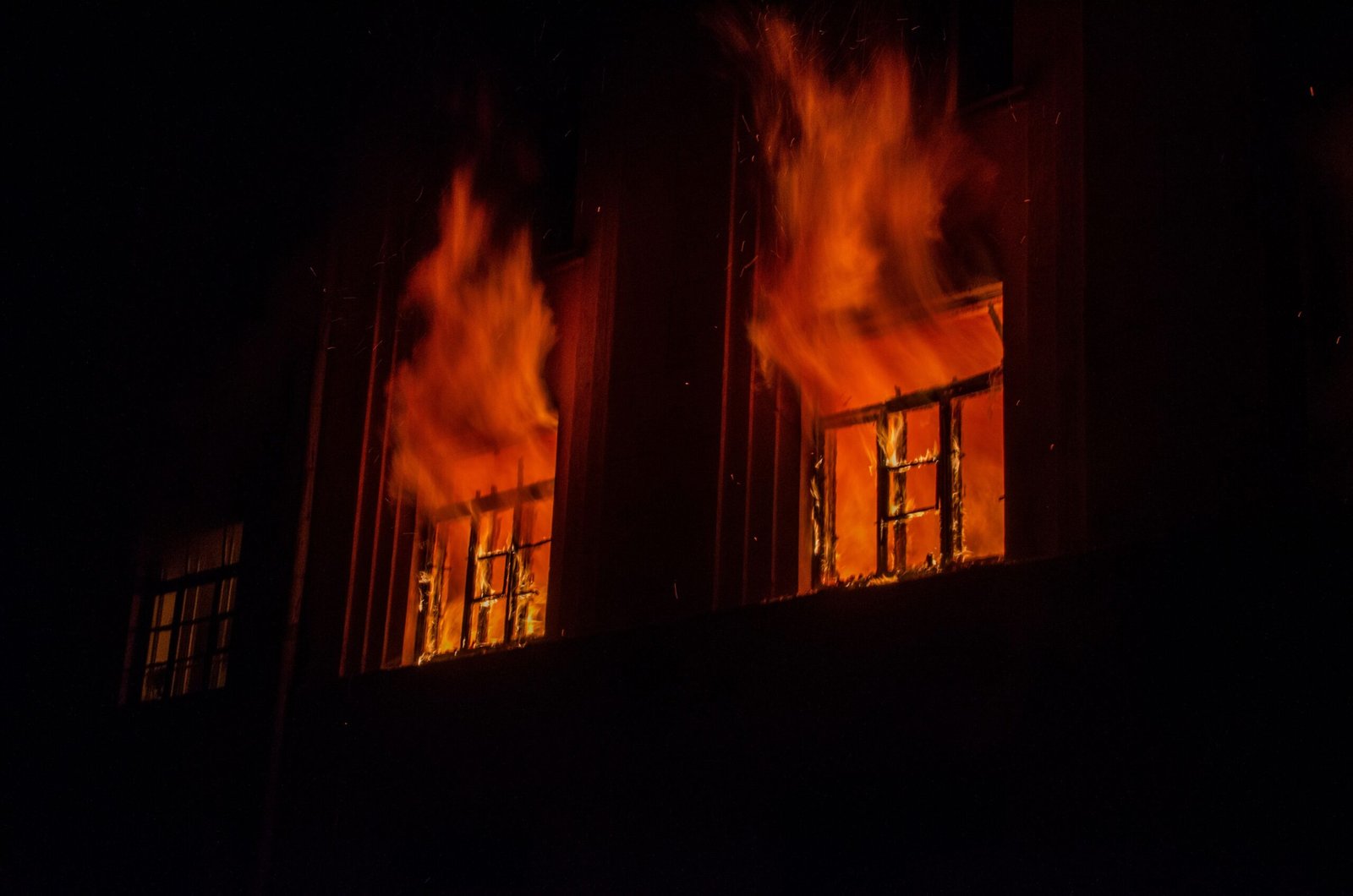
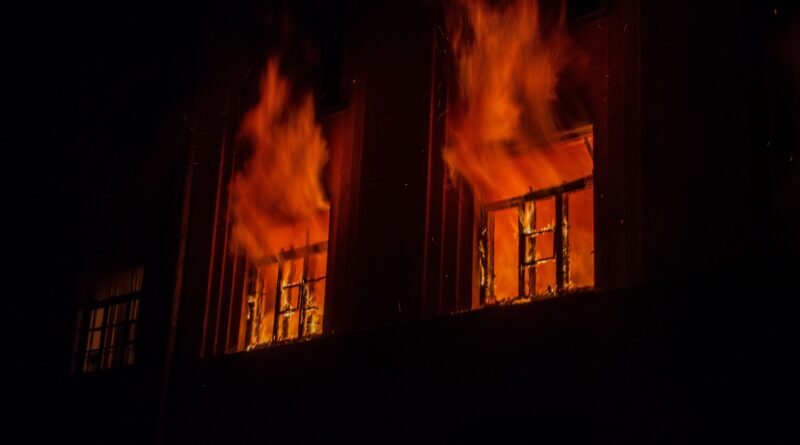
What began as a fire inside a newborn nursery at Pakistan’s largest government hospital in Islamabad quickly turned into one of the country’s most painful hospital tragedies of 2026.
On August 26, a fire broke out in the nursery of the Mother and Child Hospital at the Pakistan Institute of Medical Sciences (PIMS) in Islamabad. At the time, 15 newborns were inside the nursery.
Fourteen babies were initially reported dead. One newborn was rescued alive by nurse Razia Noreen. But the surviving baby later died after remaining in critical condition, taking the final death toll to 15 newborns.
How did the fire start?
In the first hours after the fire, officials gave different explanations.
Initial reports suggested that an air-conditioning compressor or another piece of equipment may have exploded. PIMS also said oxygen around the incubators contributed to the rapid spread of the fire. A government minister initially described the incident as a short-circuit-related fire.
But the later inquiry provided a clearer explanation.
The investigation concluded that a localized electrical failure was the most probable ignition source. Investigators identified the electrical supply cable associated with an air-conditioning unit as the most likely point where the fire started.
The inquiry did not find evidence that the fire was caused by arson, an external power-grid fault or a pre-fire oxygen leak.
That distinction matters because the investigation did not simply ask, “What started the fire?”
It also asked a much bigger question:
Why did a fire inside a hospital nursery become a disaster in which every newborn inside ultimately died?
The nursery was carrying more babies than its stated capacity
According to the inquiry, the nursery had 15 non-self-evacuating newborns in a unit described as having 10-bed capacity.
That created a serious operational challenge.
Newborns in intensive care cannot simply walk out of a burning room. They depend on nurses, doctors, equipment and a functioning evacuation system.
The inquiry found that only two doctors and two nurses were immediately available, describing the situation as a serious mismatch between the patient load and the staff available at the time.
The biggest problem was not just the fire
The final investigation described the tragedy as a case of “systemic and institutional failure.”
Investigators found that the nursery did not have a functioning automatic smoke-detection and fire-alarm system or sprinkler protection.
There was also no adequately documented and regularly rehearsed nursery-specific emergency evacuation plan capable of dealing with the actual number of newborn patients.
In simple terms, the problem was not only that a fire started.
The hospital lacked enough working safety layers to detect it, contain it and evacuate extremely vulnerable patients quickly.
There had been warnings before the tragedy
One of the most serious findings was that fire-safety risks at PIMS were not completely unknown.
The inquiry pointed to previous warnings and concerns involving fire safety infrastructure, electrical inspection, alarms, evacuation arrangements and emergency preparedness.
Most importantly, a fire had already occurred at the PIMS Nursing Hostel on July 6, 2026 — only weeks before the nursery tragedy.
That earlier incident had highlighted several of the same weaknesses.
According to the inquiry, those warnings were not converted into a comprehensive, time-bound and independently verified corrective programme before the nursery fire occurred.
A nurse went back into the burning nursery
Amid the tragedy, one rescue effort became a symbol of the desperate attempt to save the babies.
Nurse Razia Noreen entered the burning nursery and carried one newborn out.
She told the Associated Press that she did not think about her own safety when she went inside. Her immediate goal was to save the babies entrusted to the hospital’s care.
The baby she rescued was initially the only known survivor.
But after remaining in critical condition for days, the newborn later died. Geo News reported on September 18 that the death raised the final death toll to 15.
What happened after the fire?
The tragedy triggered an immediate government response.
Prime Minister Shehbaz Sharif ordered an investigation, and officials were suspended as the inquiry proceeded.
The government later ordered criminal proceedings against eight officials following the interim findings. The final inquiry said individual responsibility should be determined according to evidence and due process rather than assuming that every official carried the same level of responsibility.
The investigation ultimately placed major institutional responsibility on PIMS management for failing to turn known risks and previous warnings into an effective safety system.
Why this case matters beyond Islamabad
The PIMS fire is not only a story about one hospital or one electrical failure.
It raises a broader question for hospitals everywhere:
What happens when a small technical failure meets weak fire protection, overcrowding, inadequate emergency planning and vulnerable patients who cannot evacuate themselves?
For an adult patient, an evacuation may be difficult.
For a newborn connected to medical equipment, it can be nearly impossible without a properly designed emergency system.
That is why the PIMS investigation focused so heavily on prevention, alarms, evacuation planning, electrical maintenance, staffing and institutional accountability.
The bigger lesson
The final inquiry’s message was straightforward: the electrical failure may explain how the fire began, but institutional weaknesses help explain why the consequences were so devastating.
For the families who lost their newborn children, however, those technical findings cannot undo what happened.
Fifteen babies who entered a government hospital for medical care did not return home.
The tragedy has therefore become a test not only of accountability at PIMS, but also of whether hospitals can turn previous warnings into real, functioning safety systems before the next emergency happens.
New York Finance Think will continue to follow the investigation, accountability measures and hospital-safety reforms connected to the PIMS tragedy.
Sources —
- Dawn — PIMS fire inquiry finds systemic and institutional failure
- Dawn — PM orders implementation of PIMS inquiry recommendations
- Associated Press — Fire in hospital nursery kills 14 newborns
- Associated Press — Nurse who saved baby from Pakistan hospital fire
- Associated Press of Pakistan — PIMS fire inquiry report made public
- Geo News — Explainer: What we know about the PIMS nursery fire
- Al Jazeera — Grief and anger after PIMS hospital fire
