
Imran Khan Release: PTI Supporters March Toward Islamabad as Pakistan Braces for Political Tension
By Maria | Pakistan Political News
Islamabad is once again at the center of Pakistan’s political drama.
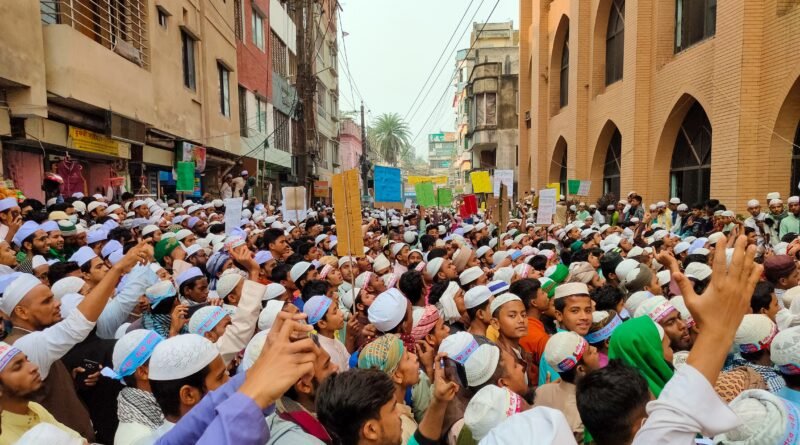
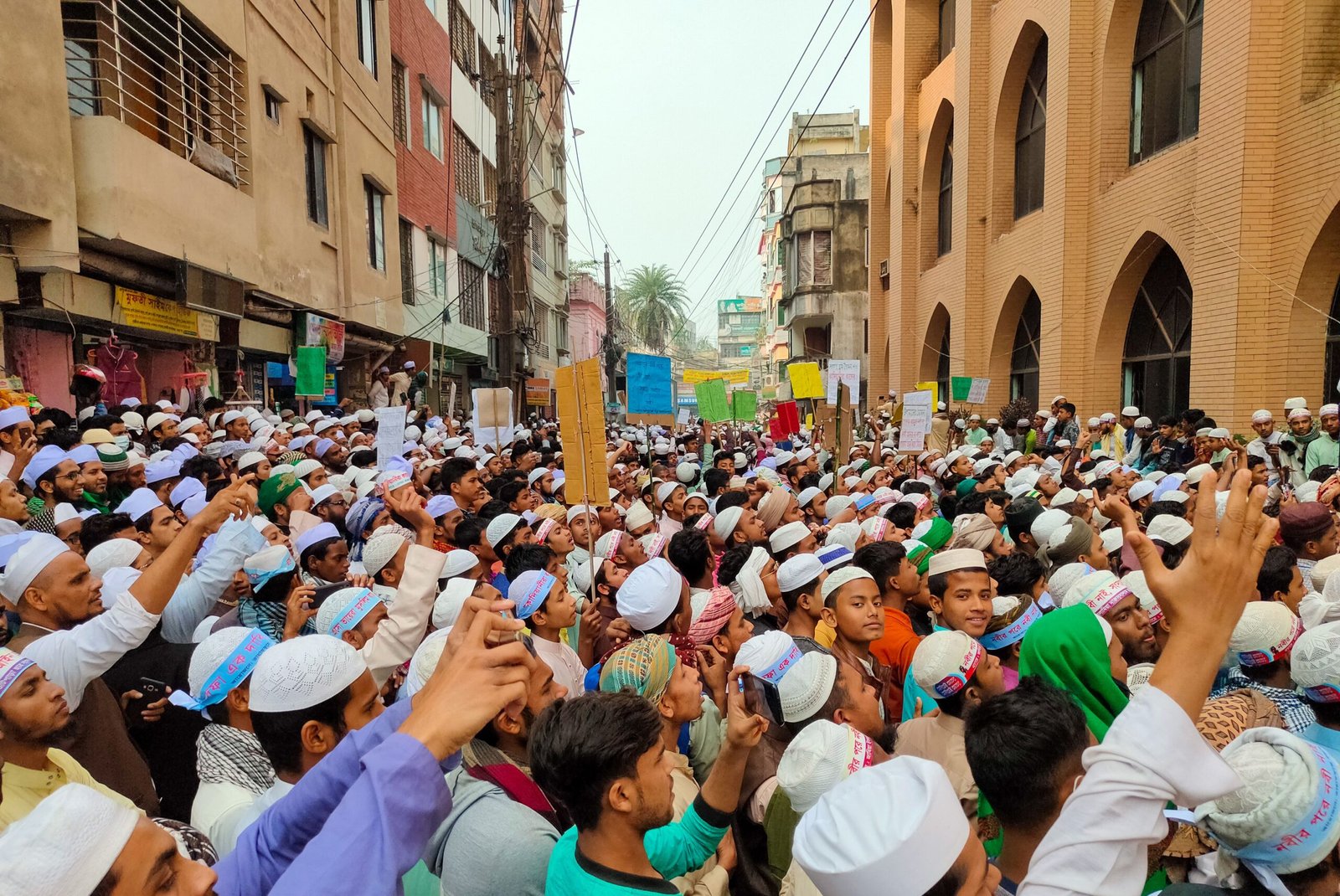
Thousands of supporters of jailed former Prime Minister Imran Khan have started a long march toward the capital, demanding his release and pressing other demands linked to his detention and his Pakistan Tehreek-e-Insaf, or PTI, party.
The march began in Khyber Pakhtunkhwa, a province governed by PTI, and is being led by provincial Chief Minister Sohail Afridi. Reuters reported on October 5 that thousands of supporters had joined the movement, with the convoy planning stops along the route before reaching Islamabad.
So, what is happening on the ground?
Let’s break it down in simple terms.
Why are Imran Khan supporters marching?
For PTI supporters, the central issue is straightforward: they want Imran Khan released from prison.
Khan has been incarcerated since 2023 following several legal cases. He and his party have described the cases as politically motivated, while Pakistan’s government and authorities reject that characterization and point to the country’s judicial process.
The latest march was originally planned for September 27 but was postponed while PTI and the government tried to negotiate.
Those talks eventually broke down.
After the negotiations failed, PTI supporters began moving toward Islamabad.
A convoy is heading toward the capital
This is not just a gathering in one location.
Supporters are traveling in buses, trucks and cars, forming a convoy that is making its way toward Islamabad.
The march began in northwestern Pakistan, and PTI leaders have called on supporters to join along the route.
Chief Minister Sohail Afridi is leading the march and has publicly urged supporters, including young people, to participate.
For PTI, the march is a way to put pressure on the government and keep Khan’s release at the center of the political debate.
Islamabad is preparing too
While the protesters are moving toward the capital, authorities have been preparing for their arrival.
Police and paramilitary forces have been deployed around Islamabad, while shipping containers have been placed at important roads and near the city’s government district.
That area includes Parliament, the prime minister’s residence, government offices and foreign embassies.
The government has said the protesters will not be allowed to enter sensitive areas of the capital. Interior Minister Mohsin Naqvi has taken a firm position against allowing the march to disrupt Islamabad.
For people living in and around the capital, that means something very practical: blocked roads, traffic restrictions and uncertainty about normal travel.
Why did the talks fail?
This is where the story becomes more complicated.
The government and PTI had been talking about the planned march and other political issues.
But the negotiations did not produce an agreement.
The government has linked the breakdown partly to disagreements over counter-terrorism policy in Khyber Pakhtunkhwa, a region that has experienced rising militant violence.
PTI has disputed the government’s explanation and accused the government of trying to pressure the party into concessions.
So both sides tell a different story about why the negotiations failed.
There is another problem: Pakistan’s economy and transport
The political standoff is already having effects beyond the protest itself.
Reuters reported that authorities have been using shipping containers as barricades, disrupting parts of Pakistan’s transport and logistics network.
Truckers have reportedly been reluctant to travel north because of concerns that their vehicles or containers could be requisitioned for security measures. More than 2,000 vehicles were reportedly requisitioned in September, according to Reuters.
That means the political confrontation is not just about politicians and protesters.
It can also affect drivers, businesses, deliveries and ordinary people trying to move around the country.
Why is this march important?
Imran Khan remains a major political figure in Pakistan even while he is in prison.
His supporters have continued to organize around his release, while the government has taken a tougher security approach toward large PTI demonstrations.
The last major PTI protest two years ago ended in deadly clashes with security forces, which is one reason authorities are taking the latest march seriously.
That history is now hanging over the current march.
Everyone is watching what happens when the convoy gets closer to Islamabad.
What happens next?
Right now, the biggest question is whether the march remains peaceful.
There are several possible developments to watch.
Will the government and PTI return to negotiations?
Will the protesters be allowed to approach the capital?
Will Islamabad remain closed off?
And can both sides prevent the situation from turning into another confrontation?
Those questions remain unanswered.
For now, the story is simple: PTI supporters want Imran Khan released, they are moving toward Islamabad, and the government is preparing to stop the march from entering sensitive parts of the capital.
The next few days could determine whether Pakistan sees another major political confrontation—or whether the two sides find a way back to the negotiating table.
This is Maria, reporting on Pakistan’s latest political developments.
Reuters — October 5, 2026: Thousands of Imran Khan supporters start march to Pakistani capital, party says
Associated Press — October 4, 2026: Imran Khan supporters march in Pakistan to demand his release after talks failed
https://apnews.com/article/dbda0a9ed4829e522bd650e7e50133bd
Al Jazeera — October 4, 2026: Pro-Imran Khan mass rally launched after Pakistan government talks fail
