
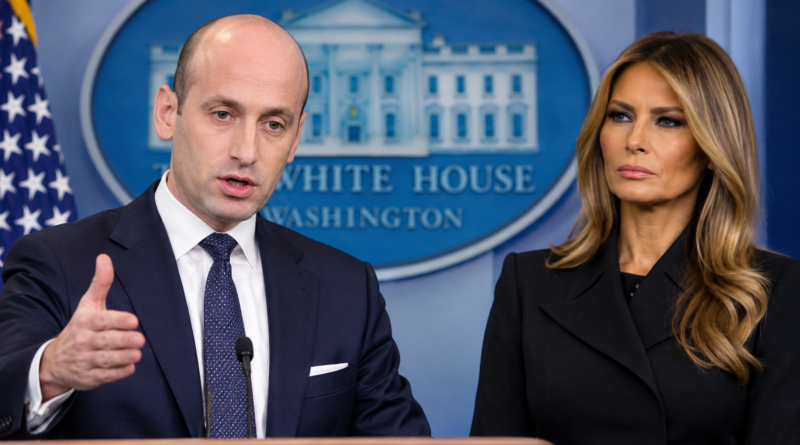
Stephen Miller’s Appointment Marks a Major White House Leadership Change
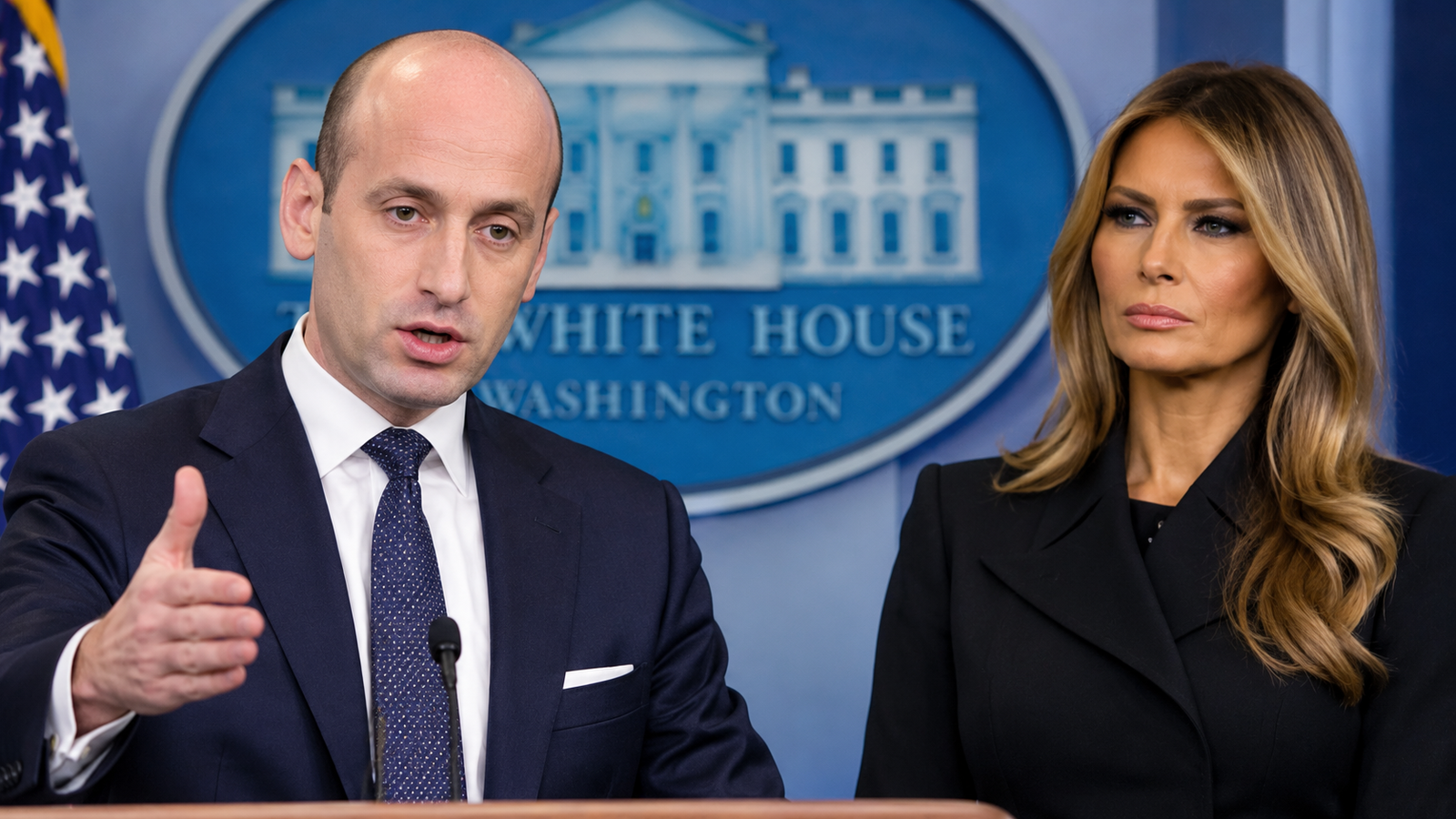
President Donald Trump announced on November 6, 2026, that Stephen Miller would become the 33rd White House Chief of Staff, succeeding Susie Wiles. The appointment places one of Trump’s longest-serving political advisers in a position responsible for coordinating the administration’s daily operations, managing access to the president and helping translate presidential priorities into action across the federal government.
Miller is not a new figure in Trump’s political operation. He has been closely associated with the president since the 2016 campaign and has served in senior policy and advisory roles during Trump’s time in office. Before this appointment, he served as deputy chief of staff for policy and became one of the administration’s most influential voices on immigration, border enforcement and executive policy.
The chief of staff position is among the most consequential jobs inside the White House. Although the president makes the final decisions, the chief of staff helps organize the process through which decisions are developed, discussed, communicated and implemented. The office can influence which issues receive presidential attention, how senior officials coordinate with one another and how competing policy priorities are handled.
Miller’s appointment therefore represents more than a change in personnel. It places a senior adviser with a clearly established policy record at the center of the White House management structure.
The appointment also comes at a politically important moment. Republicans have suffered major losses in the midterm elections, leaving Democrats with a stronger position in Congress and increasing the likelihood of legislative confrontations, oversight hearings and investigations involving the administration. The White House will need to manage those challenges while continuing to pursue its domestic and foreign policy agenda.
The change in leadership may affect how the administration organizes its remaining priorities. However, an appointment alone does not establish that every existing policy will change. The actual consequences will depend on decisions made by Trump, Cabinet officials, congressional leaders and the wider administration.
Who Is Stephen Miller and Why Does His Role Matter?

Stephen Miller has been one of the most recognizable policy figures associated with the Trump political movement. His work has focused particularly on immigration, border security, federal authority and the administration’s broader domestic agenda.
During Trump’s first presidency, Miller became closely associated with the development of immigration policies and executive actions. He remained an important adviser during the 2024 presidential campaign and continued to hold a senior position after Trump returned to the White House.
His political influence has often extended beyond the traditional responsibilities of a communications adviser. Miller has been involved in policy development, internal strategy and the presentation of the administration’s priorities. His appointment as chief of staff gives him a formal management position within the president’s immediate circle.
For the White House, the chief of staff must balance several responsibilities at the same time. The office needs to ensure that senior officials receive clear instructions, that policy proposals are reviewed before reaching the president and that agencies understand the administration’s priorities. It must also manage the flow of information and prevent internal disagreements from disrupting the government’s daily work.
The position becomes particularly important when an administration faces political pressure. A newly empowered opposition party in Congress can demand documents, conduct hearings, investigate executive decisions and challenge administration policies. The White House chief of staff must help coordinate the response while maintaining the president’s ability to pursue his agenda.
Miller’s appointment therefore places a long-time Trump adviser in a position where political strategy and government management will increasingly overlap.
The Midterm Elections Create a Different Political Environment
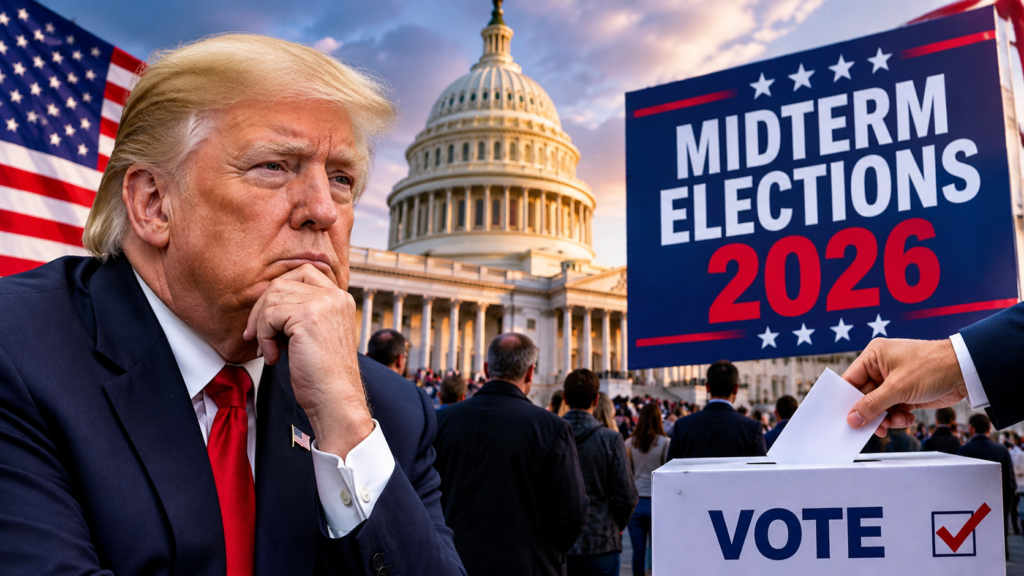
The timing of Miller’s appointment is significant because the administration is approaching a different political environment after the midterm elections.
A president whose party loses control of one or both chambers of Congress can face substantial obstacles when attempting to pass legislation. Congressional committees may investigate administration decisions, lawmakers may demand testimony from senior officials and negotiations over government spending can become more complicated.
Even when a president retains substantial executive authority, Congress continues to exercise important constitutional responsibilities involving legislation, appropriations, oversight and confirmation of certain appointments.
The new congressional balance may therefore influence the administration’s ability to advance proposals involving immigration, taxation, federal spending, healthcare, energy and government regulation.
For the White House, the challenge will not simply be communicating its political message. It will also involve managing relationships with lawmakers, responding to congressional inquiries and deciding which legislative priorities can realistically move forward.
Miller’s appointment may be relevant to this environment because of his long-standing role in shaping Trump’s policy agenda. However, the direction of congressional negotiations will depend on many officials and political considerations beyond the chief of staff alone.
Susie Wiles Leaves After Serving as Trump’s Chief of Staff
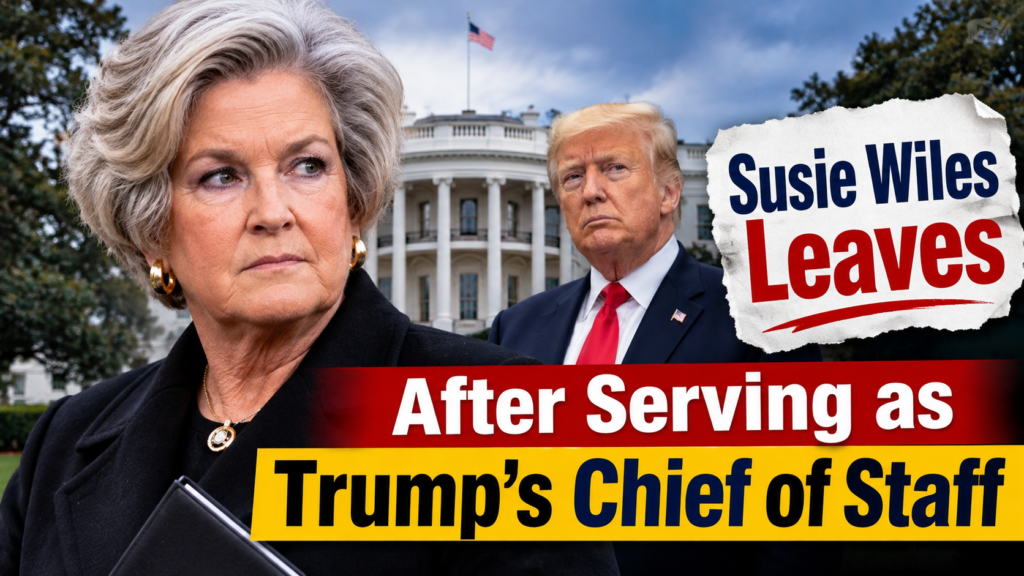
Miller is succeeding Susie Wiles, who served as Trump’s chief of staff and played an important role in his political organization.
Wiles was a central figure in Trump’s successful 2024 presidential campaign and became the first woman to serve as White House chief of staff. Her departure represents a significant personnel change within the president’s inner circle.
Trump described the leadership change as a transition rather than a response to the midterm election results. Wiles is expected to continue working with the president through his political operation.
The chief of staff position is demanding because it requires constant coordination between the president, Cabinet members, political advisers, government agencies and congressional officials. A change in the position can affect internal working relationships even when the president’s broad political priorities remain the same.
For the administration, the transition will involve ensuring that ongoing policy discussions, personnel decisions and operational responsibilities continue without interruption.
Melania Trump’s White House Appearance Brings Attention to Oleshky
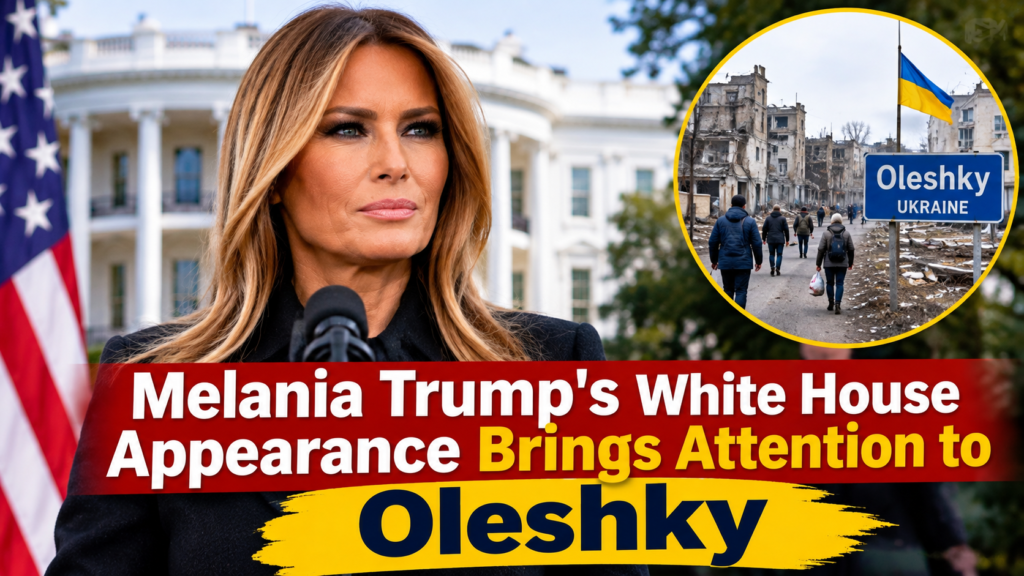
While Miller’s appointment concerns the administration’s domestic leadership, First Lady Melania Trump has drawn international attention through a separate diplomatic and humanitarian initiative involving Ukraine and Russia.
On November 5, Melania Trump hosted representatives from the two countries at the White House following a temporary localized ceasefire in Oleshky, a city in Ukraine’s Kherson region that has been under Russian occupation.
The meeting brought together Russian and Ukrainian officials who had participated in the humanitarian arrangements. According to the White House, the ceasefire was intended to allow essential supplies to enter the area and provide civilians with an opportunity to leave through coordinated evacuation arrangements.
In her remarks, Melania Trump described Oleshky as a possible starting point for broader humanitarian cooperation. She called for the parties to build on the temporary arrangement and pursue something more enduring than a short pause in fighting.
Her statement was significant because the Russian invasion of Ukraine has continued despite repeated diplomatic efforts and international calls for a settlement. Even a geographically limited ceasefire requires communication between opposing sides, agreement on operational details and some degree of coordination among military and humanitarian authorities.
The First Lady said she had worked through her representative, Marc Beckman, to communicate with Russia and Ukraine. She also described her involvement in reviewing evacuation arrangements, demining plans, road access, medical resources and humanitarian logistics.
The White House said the agreement had been signed by representatives of both countries on October 23. The temporary ceasefire subsequently allowed humanitarian assistance and civilian evacuations to proceed.
Why Oleshky Became a Humanitarian Concern

Oleshky is located in southern Ukraine’s Kherson region, across the Dnipro River from the city of Kherson. It has remained under Russian occupation since the early stages of the full-scale invasion.
The city’s location has made it particularly vulnerable to the consequences of the war. Residents have faced restricted movement, damaged infrastructure, disrupted access to basic services and the danger of military activity in surrounding areas.
The humanitarian situation became increasingly difficult as access routes were affected by fighting and mines. Food, clean water and medical supplies became urgent concerns for residents who remained in the city.
The destruction of the Kakhovka Dam in 2023 also contributed to severe flooding across parts of the surrounding region, creating additional long-term problems for communities and infrastructure.
According to the White House, the remaining population included many elderly residents and vulnerable civilians who required assistance. The October ceasefire arrangement was designed to create a limited period during which humanitarian teams could deliver supplies and residents could choose whether to evacuate.
This was not a comprehensive peace agreement. It was a geographically limited humanitarian arrangement intended to reduce immediate risks to civilians.
That distinction is essential when assessing the wider significance of the initiative.
How the Temporary Ceasefire Was Organized
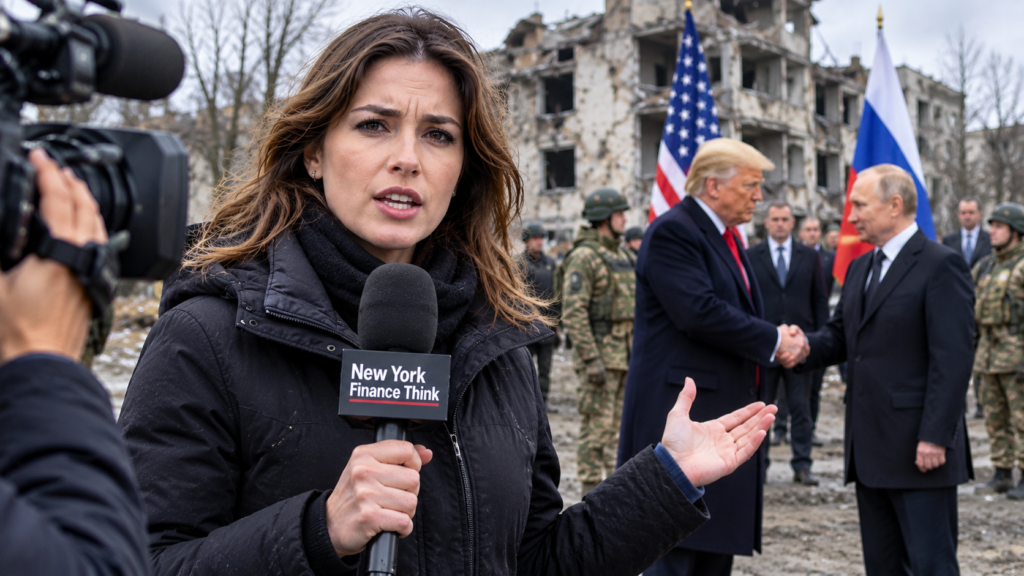
Illustrative editorial image, not an actual on-location photograph.
The arrangement required cooperation between Russian and Ukrainian representatives despite the fact that their countries remain at war.
The White House said Melania Trump acted as an intermediary through her representative, while humanitarian and government officials from both sides worked on practical arrangements.
One of the most important requirements was clearing mines from roads that humanitarian vehicles and evacuation convoys would need to use. Without safe routes, the delivery of food and medicine and the movement of civilians would have been extremely dangerous.
Reuters reported on October 29 that Russia and Ukraine had said demining operations around Oleshky had been completed and that a humanitarian convoy was ready to proceed.
The operation involved more than a diplomatic announcement. It required decisions about road access, transportation, medical support, the timing of movements and the protection of civilians.
The temporary pause began in late October and continued through November 1. Ukrainian and Russian officials subsequently said the arrangement had enabled humanitarian deliveries and civilian evacuations.
CBS News reported that evacuation operations began on October 30, with residents being transported through arrangements involving Russian and Belarusian territory before some were expected to return to Ukrainian-controlled areas.
The operation illustrated how even limited humanitarian cooperation can require extensive logistical coordination when a town is located in an active conflict zone.
Nearly 800 People Reportedly Evacuated
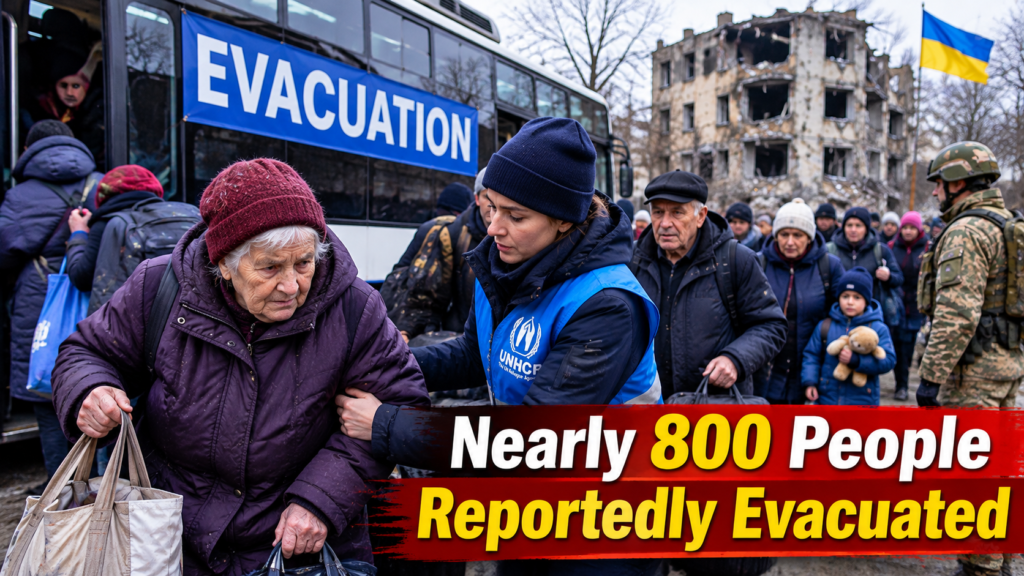
Civilians board an evacuation bus amid the humanitarian crisis in Oleshky, Ukraine. Nearly 800 people were reportedly evacuated during the temporary ceasefire, highlighting the urgent need to protect residents affected by the ongoing war.
Illustrative editorial image; not an actual photograph of the reported evacuation.
One of the most important outcomes highlighted by Melania Trump was the evacuation of civilians from Oleshky and surrounding areas.
During her November 5 remarks, she said that nearly 800 people had left their homes in search of safety, family connections and a more secure environment.
The figure was presented by the First Lady as an outcome of the humanitarian operation. It should be understood as an official account of the operation rather than a comprehensive independent count of every person who left the area.
For the residents involved, evacuation can represent a difficult decision. People may have lived in the same homes for decades, maintained family connections in the area and had limited financial or physical ability to relocate.
Older residents and people with medical needs can face particular difficulties when transport routes are dangerous or when the destination is uncertain.
An evacuation also creates new responsibilities. Civilians need transportation, food, temporary accommodation, medical assistance and information about their legal and family circumstances. For people who leave an occupied area, the journey may involve complicated routes and crossing administrative or military checkpoints.
The success of a humanitarian operation should therefore not be measured only by the number of people transported. It should also be assessed by whether those individuals reach safety, receive continuing assistance and can make informed decisions about their future.
The November 5 White House Meeting: A Diplomatic Signal
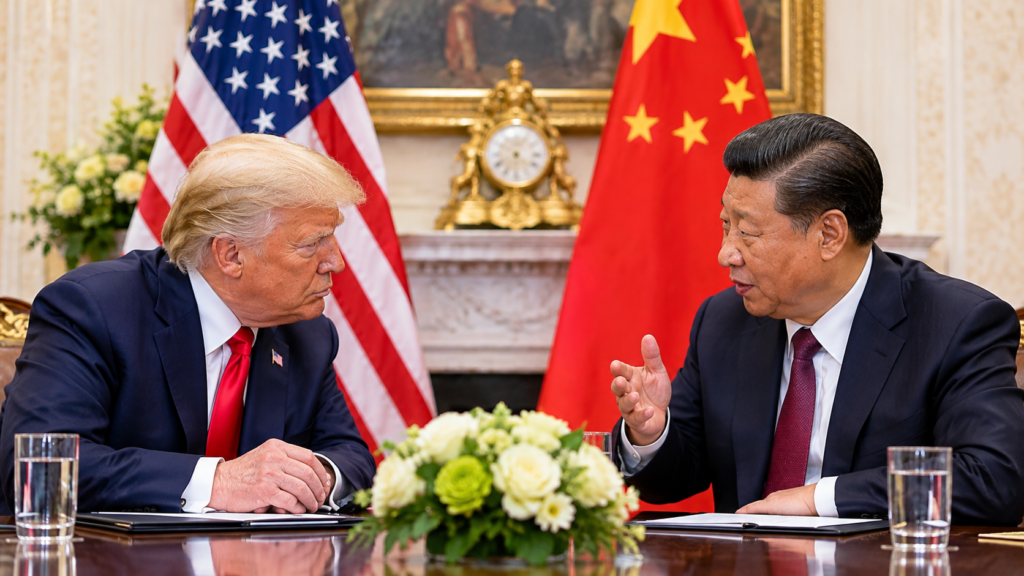
President Donald Trump and Chinese President Xi Jinping engage in a formal diplomatic discussion, symbolizing the importance of high-level negotiations in shaping international relations, trade policy and global security.
Illustrative editorial image, not an actual photograph of the November 5 White House meeting.
The White House gathering involving Russian and Ukrainian representatives was important because direct cooperation between officials from countries at war remains difficult.
Melania Trump said that representatives from both countries had worked together to establish the local ceasefire. Russian presidential envoy Kirill Dmitriev also praised the humanitarian initiative during the meeting, according to the published transcript.
Ukrainian representatives were also present. The event provided an opportunity for both sides to publicly discuss the humanitarian operation and acknowledge the role of officials involved in its implementation.
However, a meeting between representatives should not be confused with a formal negotiation to end the entire war. The subject of the gathering was the Oleshky humanitarian arrangement and the possibility of building on that cooperation.
The First Lady used the event to call for a more enduring form of peace. Her remarks reflected the hope that practical cooperation over civilian protection might create opportunities for additional dialogue.
Whether that possibility develops into broader negotiations remains uncertain. The two governments continue to have major disagreements involving territory, security guarantees, military arrangements and the future political status of occupied Ukrainian regions.
A localized humanitarian agreement can demonstrate that limited cooperation is possible without resolving those larger questions.
Why the Ceasefire Does Not Mean the Russia–Ukraine War Has Ended
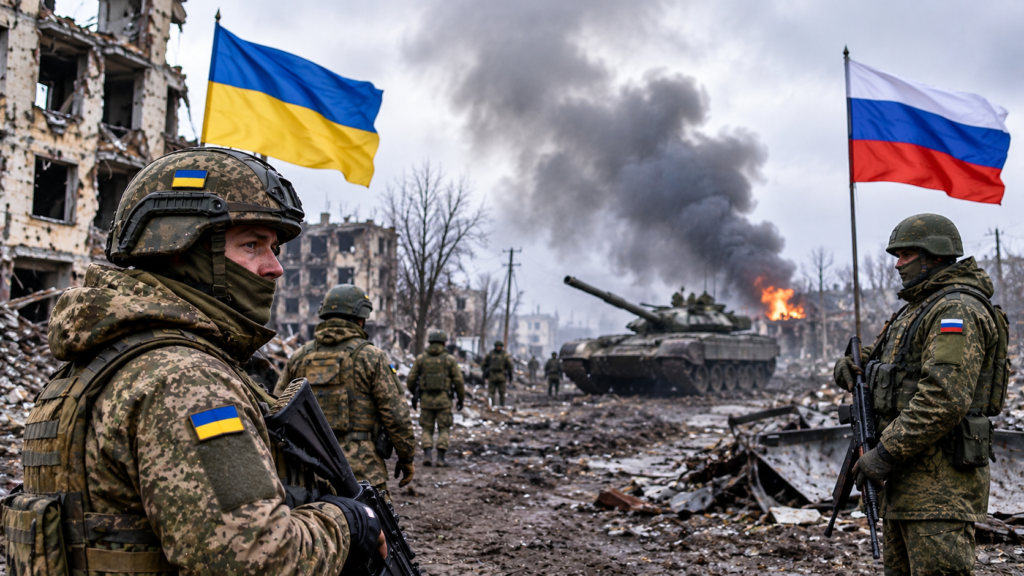
Ukrainian and Russian forces remain on opposing sides of a devastated frontline, illustrating why a temporary, localized ceasefire does not represent the end of the wider Russia–Ukraine war. Fighting, military tensions and unresolved political issues continue to stand in the way of a lasting peace.
Illustrative editorial image, not an actual photograph from the battlefield.
One of the most important points for readers to understand is that the Oleshky ceasefire was temporary and geographically limited.
It did not establish a nationwide ceasefire. It did not resolve the dispute over occupied territory. It did not create a comprehensive peace treaty or settle the security concerns that have kept the conflict going.
The arrangement was designed to provide a short period for humanitarian assistance and civilian movement in a specific area.
The ceasefire also expired on November 1. Reuters reported that Ukraine accused Russian forces of using the pause to rotate troops, reinforce positions and improve military logistics. Russia’s position and Ukraine’s allegations should be considered separately, and the competing claims underline why a temporary humanitarian agreement cannot automatically be treated as evidence of wider military de-escalation.
At the same time, the humanitarian results reported by both sides remain relevant. Aid deliveries and evacuations can provide immediate relief even when the underlying conflict continues.
This is the difficult reality of humanitarian diplomacy: a limited agreement can save lives without resolving the political and military causes of a war.
The Wider Diplomatic Context: Washington, Moscow and Kyiv
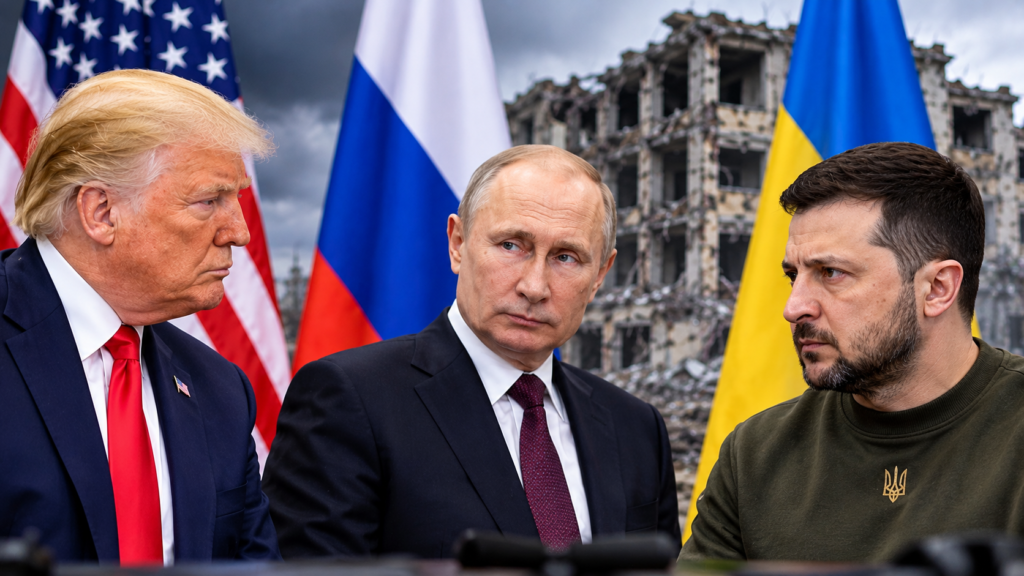
Donald Trump, Vladimir Putin and Volodymyr Zelenskyy represent the three central figures in the diplomatic efforts surrounding the Russia–Ukraine war. Their conflicting political and security priorities continue to shape negotiations, ceasefire discussions and the prospects for a lasting peace.
Illustrative editorial image, not an actual photograph of a diplomatic meeting.
The Oleshky initiative is taking place within a wider diplomatic environment involving the United States, Russia, Ukraine and European governments.
President Trump has repeatedly expressed interest in ending the war and has pursued diplomatic engagement with Russian officials. Ukraine, meanwhile, continues to emphasize its sovereignty, territorial integrity and need for security guarantees.
Russia’s position on territory and the future security arrangement remains a central obstacle to a comprehensive settlement.
Reuters reported on November 5 that Trump had met Russian envoy Kirill Dmitriev and that discussions involving American, Ukrainian and European representatives were expected to continue. The report also described preparations for further talks in Abu Dhabi on November 10–11.
Such discussions involve issues that extend far beyond humanitarian access. They may include the future of occupied territories, military transparency, security guarantees, sanctions, reconstruction and the long-term relationship between Ukraine and Western governments.
The Oleshky arrangement does not settle these questions. However, it provides an example of a limited issue on which Russian and Ukrainian officials were able to coordinate.
For international observers, the key question is whether practical cooperation over humanitarian needs can be sustained and whether it can support additional diplomatic communication
What These Two Developments Tell Us About the Trump Administration

The appointment of Stephen Miller and Melania Trump’s humanitarian initiative are separate developments, but both illustrate the range of responsibilities and relationships operating around the White House.
Miller’s appointment concerns domestic policy coordination and political management. His record places immigration, border enforcement and executive policy among the subjects likely to remain central to his work. As chief of staff, however, he will also have to manage the wider operations of the executive office.
Melania Trump’s Oleshky initiative concerns humanitarian diplomacy. Her role, as described by the White House, involved communication with representatives from two countries at war and support for a limited civilian protection and evacuation arrangement.
These developments also illustrate the difference between formal government authority and public influence. The chief of staff is a senior White House official with a direct operational role in presidential administration. The First Lady does not hold an elected executive office or exercise the same statutory authority as the president or Cabinet officials, but she can participate in public diplomacy and humanitarian initiatives.
The distinction matters because the success of a diplomatic initiative depends not only on public statements but also on the decisions of governments, military authorities and humanitarian organizations responsible for carrying out agreements.
What Americans Should Watch Next
For American readers, several questions will shape the significance of these developments in the coming weeks.
First, the performance of the new chief of staff will be closely watched as the administration prepares to deal with a Congress in which Democrats have greater influence. Congressional oversight, federal spending negotiations and immigration policy could become major areas of political confrontation.
Second, the administration’s foreign policy will remain under scrutiny as Washington continues contacts with Moscow, Kyiv and European partners. Any movement toward a broader settlement will need to address the underlying disputes that have sustained the war.
Third, the future of humanitarian cooperation in Oleshky will matter to civilians who remain in the area or have been displaced. The temporary ceasefire has ended, so further assistance will depend on the willingness and ability of the parties to maintain safe humanitarian arrangements.
Finally, the November 5 White House gathering should be viewed as one event within a much larger diplomatic process. Public expressions of hope are important, but the durability of peace depends on enforceable agreements, continuing communication and decisions by the parties involved.
Conclusion: A Leadership Transition at Home and a Humanitarian Initiative Abroad
The appointment of Stephen Miller as White House Chief of Staff marks a significant change in the internal leadership of the Trump administration. His long-standing role in shaping the president’s policy agenda places him in a position with substantial responsibility for coordinating the executive office during a politically challenging period.
At the same time, Melania Trump’s involvement in the Oleshky ceasefire has brought attention to a humanitarian initiative that temporarily enabled aid deliveries and civilian evacuations in a Russian-occupied Ukrainian city.
The two developments represent different dimensions of the administration’s activities: the management of domestic political priorities and engagement with an international humanitarian crisis.
The Oleshky operation offers a limited example of cooperation between Russia and Ukraine, but it should not be mistaken for an end to the war. Its longer-term significance will depend on whether the parties can preserve humanitarian access and use practical cooperation to support further dialogue.
For now, Washington faces two important tasks: managing a changing domestic political landscape and determining whether limited diplomatic openings can contribute to a broader effort to reduce the suffering caused by the war in Ukraine.
New York Finance Think will continue monitoring White House leadership changes, U.S. foreign policy and developments affecting Ukraine, Russia and international security.
Editorial note: This report distinguishes official White House statements from independently reported developments and from allegations made by parties to the conflict. The Oleshky ceasefire was temporary and localized; it did not end the Russia–Ukraine war.
