
Japan’s New Tax-Free Shopping Rules: Tourists Face Different Refund Fees Depending on Where They Shop
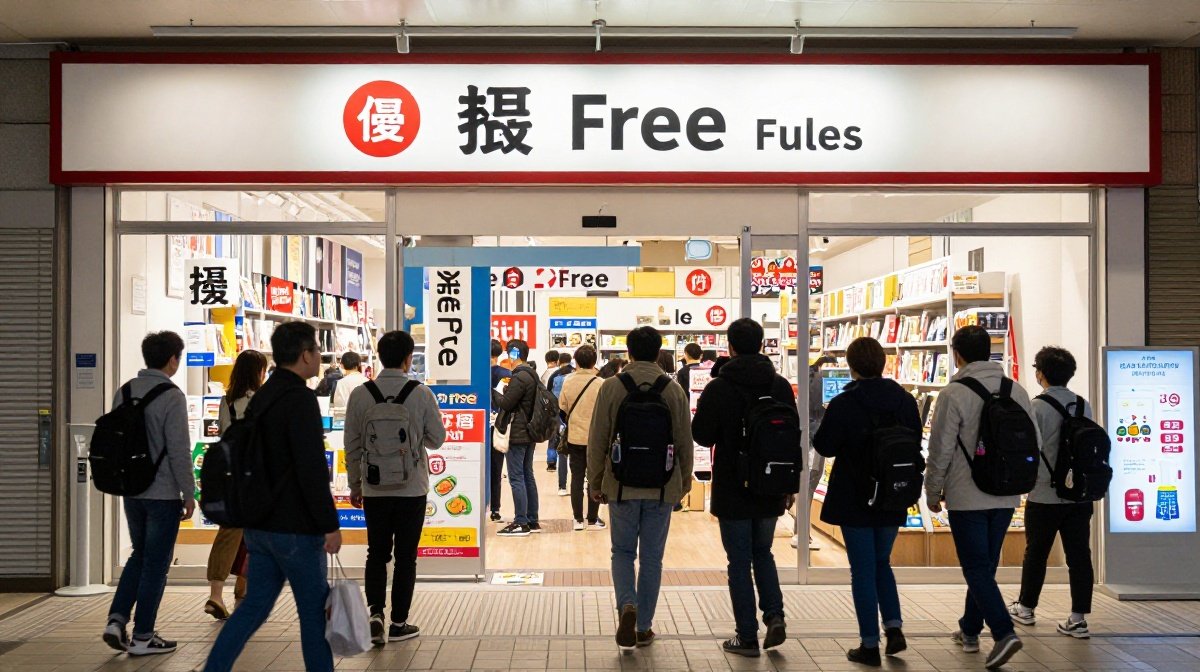
TOKYO, JAPAN — November 22, 2026 — International tourists visiting Japan are adjusting to a major change in the country’s tax-free shopping system, with new refund procedures and retailer-specific processing fees becoming an important part of the shopping experience.
Under the revised system, which took effect on November 1, 2026, eligible foreign visitors must pay the full purchase price, including consumption tax, when buying qualifying goods. They can then claim the eligible tax refund after customs confirms that the purchased items are being taken out of Japan.
Although the reform introduces a common national procedure, the amount visitors ultimately receive may differ from one retailer to another. Some businesses cover refund processing costs, while others deduct handling charges or apply fees through their refund service providers.
The change is attracting attention among international shoppers, particularly those purchasing electronics, cosmetics, fashion products and other expensive items.
Japan Changes How Tax-Free Shopping Works
Japan has long offered tax-free shopping to eligible international visitors as a way to encourage tourism spending. Under the previous arrangement, qualifying tourists could generally purchase eligible products without paying consumption tax at participating stores.
The new system changes the timing of the tax benefit.
Instead of receiving the tax exemption immediately at the shop, visitors now pay the tax-inclusive price and receive the eligible refund after completing the required customs procedure when departing Japan.
The government introduced the revised arrangement to strengthen control over tax-free purchases and reduce cases in which products bought under the tax exemption were not actually taken out of the country.
The new approach makes customs confirmation an important part of the refund process.
Refund Fees Depend on the Retailer
One of the biggest questions for tourists is how much money they will actually receive after making a qualifying purchase.
Not every retailer uses the same refund arrangement. Some stores cover the administrative costs themselves, while others use third-party refund companies that may charge service or processing fees.
As a result, shoppers should not assume that the entire consumption tax amount will automatically be returned.
The reported fee structures, including claims of deductions reaching 30% of the refund amount at certain retailers or through particular services, need to be checked against each store’s current published conditions. There is no single nationwide 30% fee imposed by the Japanese government.
For tourists, the important issue is the final refund amount rather than the advertised tax-free benefit.
How Major Retailers Are Handling Refunds
Different retailers are introducing their own arrangements under the revised system.
Some major shopping businesses have announced that they will absorb certain processing costs, while others apply designated handling fees. Refund methods may also differ, with card payments, cash services and third-party providers operating under separate conditions.
This means that two customers purchasing products of similar value may receive different refund amounts depending on where they shop and how their refunds are processed.
Before making an expensive purchase, visitors should ask the retailer whether a handling fee applies, whether it is deducted from the refund and whether additional payment-service charges are possible.
How Much Can a Tourist Get Back?
Japan’s standard consumption tax rate on many products is 10%, while certain eligible food and beverage items are subject to a reduced 8% rate.
Consider a product costing ¥11,000, including 10% consumption tax. The tax component is ¥1,000.
If the purchase qualifies for the refund and the retailer does not deduct a processing fee, the visitor may receive the full ¥1,000 after customs confirmation.
If the retailer or its refund provider charges a processing fee, the final amount will be lower.
This is why understanding the store’s refund policy is becoming increasingly important for international travellers.
What Tourists Need to Do
Visitors planning to use Japan’s tax-free shopping system should follow the required procedures carefully.
First, they must present their passport and meet the eligibility requirements when purchasing qualifying goods. They must pay the full tax-inclusive price and follow the retailer’s instructions for registering their refund details.
The purchased goods must then be taken out of Japan within the required period. Customs confirmation is necessary before the eligible refund can be completed.
Travellers should keep their purchases and receipts available for inspection and allow sufficient time for the departure procedure.
The general minimum purchase requirement remains ¥5,000 before tax at the same participating store on the same day, subject to the applicable product and eligibility rules.
Why the Change Matters for Japan’s Tourism Industry
International visitors are an important part of Japan’s retail and tourism economy. Shopping is a major activity for many travellers, particularly those visiting Tokyo, Osaka, Kyoto and other popular destinations.
The revised refund system could influence how tourists plan their shopping budgets. Visitors may compare retailer policies more carefully, particularly when purchasing high-value goods.
For retailers, the transition requires changes to payment procedures, refund services, customer information and staff training. Businesses must explain the new process clearly to avoid confusion and maintain confidence among international customers.
A transparent refund system could help Japan preserve its appeal as a shopping destination while improving oversight of tax-free purchases.
What International Shoppers Should Remember
The most important point is that tax-free shopping in Japan now involves paying first and receiving the eligible tax refund later.
The refund amount may vary because retailers and payment providers can have different processing arrangements. A store advertising tax-free shopping does not necessarily guarantee that the customer will receive the entire tax component without deductions.
Visitors should therefore check the refund conditions before completing a purchase, especially when buying expensive electronics, luxury products or multiple items.
Japan’s new system represents a significant change in the country’s shopping experience for overseas visitors. Whether it becomes more convenient will depend largely on how efficiently retailers and refund providers manage the process.
For tourists, a little preparation before shopping could make a meaningful difference to the final amount returned.
New York Finance Think will continue reporting on Japan’s economic policies, tourism industry and developments affecting international travellers.
