

Running Out of Money Before Payday? 7 Practical Ways to Take Control of Your Finances
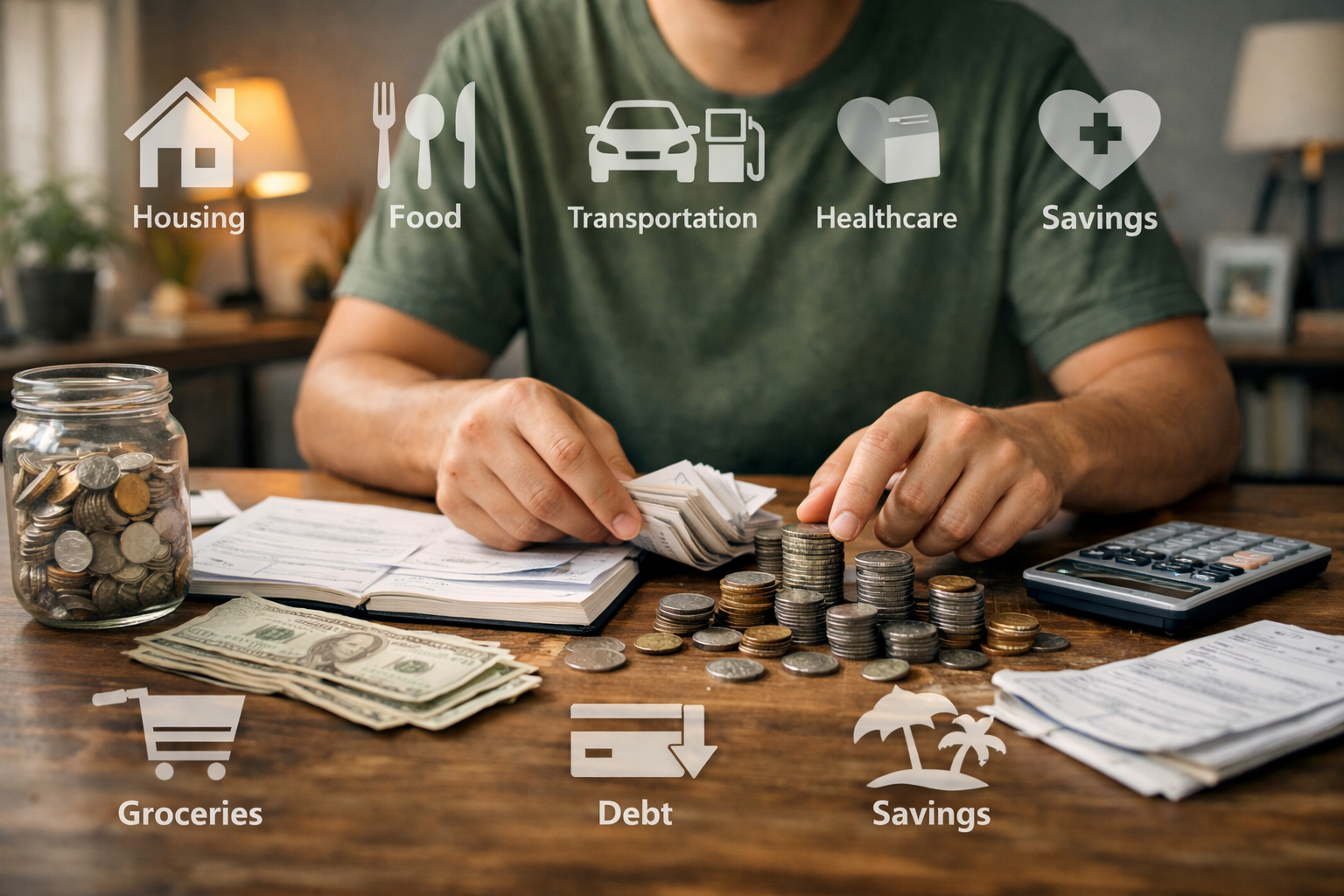
Does your paycheck seem to disappear before the month is over?
You’re not alone. Many Americans struggle to cover rent, groceries, utility bills, car payments, student loans, and other everyday expenses. Even people with steady jobs can find themselves living paycheck to paycheck.
When money gets tight, it’s easy to assume that earning more is the only solution. Sometimes, a higher income can help. But in other cases, the problem may be a combination of unplanned spending, expensive debt, and a lack of a clear financial plan.
The good news? You can start improving your financial situation with a few practical changes.
Here are seven steps you can take to spend more intentionally, reduce financial stress, and start building a more secure future.
1. Find Out Where Your Money Is Going

One of the biggest financial mistakes people make is underestimating their everyday spending.
You probably remember paying your rent or mortgage, but what about the daily coffee, food delivery, streaming subscriptions, impulse purchases, and small online orders?
Individually, these expenses may seem harmless. Together, they can take a significant bite out of your paycheck.
How to fix it:
- Track every expense for the next 30 days.
- Review your bank and credit card statements.
- Identify subscriptions and purchases you rarely use.
- Set a realistic limit for nonessential spending.
Example: If you spend $8 a day on purchases you don’t really need, that’s about $240 a month, or $2,920 a year.
You don’t have to eliminate every little pleasure. The goal is to understand where your money goes and decide which expenses are worth keeping.
2. Pay Yourself First on Payday

One of the simplest ways to improve your financial health is to pay yourself first on payday. Instead of waiting until the end of the month to save whatever money is left, set aside a portion of your paycheck as soon as you receive it. This small change can help you build better money habits and create a stronger financial future.
Many people follow the same routine: pay the bills, buy what they need, spend a little on entertainment, and save whatever is left.
Unfortunately, there often isn’t much left to save.
A better approach is to make saving part of your financial plan from the beginning.
How to fix it:
- Set a realistic savings goal based on your income and essential expenses.
- Schedule an automatic transfer to a separate savings account on payday.
- Start with $25, $50, or $100 per paycheck if that’s what your budget allows.
- Increase your contribution when your financial situation improves.
For example, saving $50 every two weeks adds up to $1,300 over a year, before any interest.
If money is extremely tight, start small. Consistency matters more than choosing an ambitious amount you can’t maintain.
3. Create a Budget That Fits Your Real Life

A realistic budget helps you manage your money without feeling overwhelmed. Start by calculating your monthly take-home income and listing essential expenses, including rent, groceries, utilities, transportation, and insurance. Next, review flexible spending, such as dining out, shopping, and entertainment, to identify areas where you can save. Set aside an affordable amount for savings and debt repayment based on your financial situation. If your essential expenses consume most of your income, look for ways to reduce major costs or explore additional income opportunities. Remember, the best budget isn’t perfect—it’s one you can consistently follow.
A budget isn’t supposed to punish you for spending money. It’s supposed to help you make decisions before your money is gone.
If your monthly take-home pay is $3,000, trying to maintain a lifestyle that requires $4,000 will eventually create financial pressure.
How to fix it:
Divide your spending into three main categories:
- Essential expenses: Housing, groceries, utilities, transportation, insurance, and necessary medical costs.
- Financial goals: Emergency savings, retirement contributions, and debt repayment beyond required minimums when affordable.
- Flexible spending: Dining out, entertainment, shopping, and other nonessential purchases.
Review your actual expenses before setting limits. If rent and other essential bills already consume most of your income, a budget alone may not solve the problem. You may also need to explore lower-cost alternatives, assistance programs, or ways to increase your income.
The best budget is one you can realistically follow month after month.
4. Make a Plan to Pay Off High-Interest Debt

High-interest debt, especially credit card balances, can make it difficult to achieve financial stability. Start by listing all your debts, including their balances, interest rates, and minimum monthly payments. Make every minimum payment on time to avoid additional fees and potential credit score damage. Then, focus any extra money on the debt with the highest interest rate. This strategy, known as the debt avalanche method, can help reduce the total interest you pay. If you’re struggling to afford payments, contact your creditors to discuss hardship options. Remember, a clear repayment plan and consistent progress can help you move toward financial freedom.
Credit card balances, personal loans, and other expensive debt can make it difficult to get ahead financially.
When a large portion of your paycheck goes toward interest and minimum payments, you have less money available for savings and everyday needs.
Two common debt repayment strategies can help.
Option A: The Debt Avalanche Method
Pay the minimum required on every debt, then put any extra money toward the debt with the highest interest rate. Once that debt is paid off, move to the next-highest rate.
This method can reduce the total interest you pay.
Option B: The Debt Snowball Method
Pay the minimum required on every debt, then put extra money toward the smallest balance first. After paying it off, move to the next-smallest balance.
This approach can provide quick wins and help you stay motivated.
Which method should you choose?
Choose the avalanche method if minimizing interest is your priority. Consider the snowball method if seeing debts disappear helps you stay committed.
If you can’t afford your minimum payments, contact your creditors to discuss possible hardship options before missed payments make the situation worse. A nonprofit credit counseling agency may also be able to help you evaluate your options.
5. Build an Emergency Fund Before Life Catches You Off Guard

Unexpected expenses, such as car repairs, medical bills, or job loss, can disrupt your finances without warning. An emergency fund provides a financial safety net when life doesn’t go as planned. Start by setting a small, achievable goal, such as saving $500 or $1,000. Keep this money in a separate, easily accessible savings account so it’s available when you need it. Set up automatic transfers from each paycheck to build your savings consistently. Over time, aim to save three to six months of essential living expenses. Remember, even small contributions can help reduce financial stress and prevent unexpected bills from becoming overwhelming debt.
An unexpected car repair, medical bill, job loss, or home emergency can quickly disrupt your finances.
Without savings, even a relatively small emergency may force you to rely on a credit card or take out another loan.
How to fix it:
- Start with a goal of $500 or $1,000, depending on what you can reasonably afford.
- Keep the money in a separate, accessible savings account.
- Set up small, recurring deposits.
- Gradually work toward saving three to six months of essential living expenses, adjusting the goal to your circumstances.
You don’t need to build a fully funded emergency account overnight.
Even a small financial cushion can help you handle unexpected expenses without immediately turning to debt.
6. Look for Realistic Ways to Increase Your Income

Sometimes, spending less isn’t enough.
If your rent, groceries, transportation, insurance, and minimum debt payments already consume nearly your entire paycheck, the issue may be that your income doesn’t adequately cover your cost of living.
That isn’t necessarily a budgeting failure. It’s a financial problem that requires a different solution.
How to fix it:
- Explore opportunities for a raise or promotion.
- Consider applying for better-paying positions that match your skills.
- Look into affordable training or certifications that could improve your earning potential.
- Consider freelance work, part-time employment, or a small side business if your schedule allows.
- Check whether you qualify for public benefits or local assistance programs.
Be careful with opportunities that promise guaranteed income or require large upfront payments. Research the company and understand the risks before committing your time or money.
The goal isn’t simply to work more hours. It’s to find a sustainable way to improve the gap between what you earn and what you need.
7. Review Your Financial Progress Every Month

A financial plan only works if you review it and make adjustments when necessary.
At the end of each month, spend 15 to 20 minutes answering these questions:
- How much money did I bring home?
- Which expenses were higher than expected?
- Did I save anything or reduce my debt?
- What unexpected expenses came up?
- What’s one realistic improvement I can make next month?
Don’t judge your progress solely by how much money you saved. Paying down debt, avoiding late fees, or building a small emergency fund can also represent meaningful progress.
If your original budget isn’t working, adjust it. Your financial plan should reflect your real circumstances, not an ideal situation that doesn’t exist.
Your 30-Day Plan to Get Back on Track
You don’t need to change everything at once. Start with this simple four-week plan.
Week 1: Understand your money
Review your bank statements, list your monthly bills, and track your everyday spending.
Week 2: Make a realistic budget
Separate essential expenses from flexible spending. Identify one or two changes you can maintain.
Week 3: Set one financial priority
Choose a starting goal: build a small emergency fund, organize your debt payments, or reduce an unnecessary expense.
Week 4: Automate and review
Set up an affordable automatic savings transfer if possible. Review your progress and decide what to improve next month.
At the end of 30 days, you may not have solved every financial problem. But you’ll have a clearer picture of your money and a practical plan for moving forward.
Final Thoughts: Financial Progress Starts With the Right Problem
Not every money problem has the same cause.
Some people have enough income but struggle with overspending, lifestyle inflation, or disorganized debt payments. Others simply don’t earn enough to cover their basic needs.
Understanding the difference matters.
If your problem is spending habits, a budget, automatic savings, and a debt repayment strategy may help. If your essential expenses exceed your income, you may need to focus on increasing earnings, reducing major costs, accessing assistance, or negotiating payment arrangements.
You don’t have to fix everything overnight.
Your first step today: Review your last seven days of spending and identify one change that could make your next paycheck go further.
Small, consistent actions can help you gain more control over your finances, reduce avoidable debt, and build a stronger foundation for the future.
